
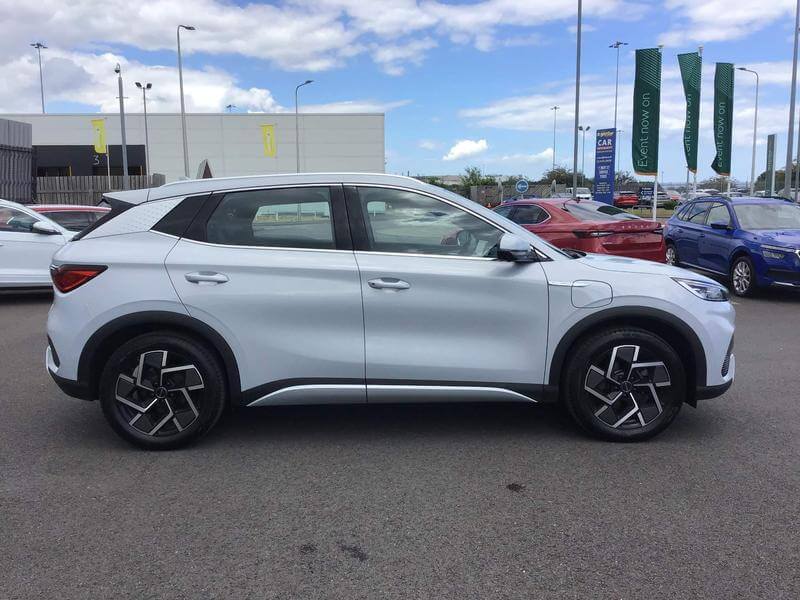
New BYD Electric Cars, Sedans and SUVs Best News
New BYD electric Cars, Sedans and SUVs I BYD UK. Yes, BYD cars are available in the UK. The company has made significant strides.
Signup for our newsletter to get notified about sales and new products. Add any text here or remove it.
[contact-form-7 id="7042" title="Newsletter Vertical"]How the Hybrid Works on a Suzuki S-Cross. One of the most frequently asked questions we receive pertains to hybrid technology, particularly in popular models like the Suzuki S-Cross. In this detailed guide, we will explore how hybrid systems work in the Suzuki S-Cross, addressing common queries and providing insights into its functionality.
Before delving into the specifics of the Suzuki S-Cross hybrid system, it’s essential to understand what a hybrid vehicle is. A hybrid vehicle combines an internal combustion engine (ICE) with one or more electric motors. This combination allows for improved fuel efficiency and reduced emissions compared to traditional gasoline or diesel vehicles.
There are several types of hybrid systems:
The Suzuki S-Cross falls under the category of full hybrids, which allows it to switch between electric and gasoline power seamlessly.
The hybrid system in the Suzuki S-Cross is designed to optimize performance while maximizing fuel efficiency. Here’s how it works step by step:
The Suzuki S-Cross hybrid features a 1.4-liter turbocharged petrol engine paired with an electric motor. The petrol engine serves as the primary power source, while the electric motor assists during acceleration and low-speed driving conditions.
The vehicle’s energy management system intelligently decides when to use each power source based on driving conditions:
The hybrid system includes a compact lithium-ion battery that stores energy generated by regenerative braking and excess energy produced by the petrol engine when operating efficiently. This battery powers the electric motor when needed.
One of the key features of hybrids like the Suzuki S-Cross is their ability to transition smoothly between different power sources without driver intervention. The vehicle’s onboard computer continuously monitors various parameters such as speed, acceleration demand, and battery charge level to determine whether to engage or disengage either power source.
Driving a hybrid vehicle like the Suzuki S-Cross offers numerous advantages:
Yes, but only for short distances at low speeds. The electric motor can operate independently under certain conditions; however, for longer trips or higher speeds, you will rely more on the petrol engine.
Maintenance for hybrids is similar to traditional vehicles but may require additional attention to components like batteries and electrical systems. Regular servicing at authorized dealerships ensures optimal performance.
If your battery depletes completely while driving, your vehicle will continue operating using its petrol engine without any issues since it does not rely solely on battery power.
No special charging infrastructure is needed for standard hybrids like the Suzuki S-Cross since they recharge their batteries through regenerative braking and excess energy from their engines.
Many regions offer tax credits or incentives for purchasing hybrid vehicles due to their lower environmental impact; however, these vary by location so it’s best to check local regulations.
In summary, understanding how hybrids work—specifically within models like the Suzuki S-Cross—can enhance your driving experience while promoting environmentally friendly practices. With its efficient blend of petrol and electric power sources coupled with advanced technology such as regenerative braking and intelligent energy management systems, this vehicle stands out as an excellent choice for those looking to reduce their carbon footprint without sacrificing performance or convenience.
For further inquiries about our selection of quality used cars including hybrids like the Suzuki S-Cross at Quality Used Cars Ltd., feel free to reach out!
When considering a hybrid vehicle, the Suzuki S-Cross Hybrid stands out as a versatile and efficient option. At Quality Used Cars Ltd, we understand that potential buyers often have numerous questions regarding this model. Below, we address some of the most frequently asked questions about the Suzuki S-Cross Hybrid to help you make an informed decision.
1. What is the Suzuki S-Cross Hybrid?
The Suzuki S-Cross Hybrid is a compact crossover SUV that combines traditional gasoline engine technology with hybrid electric power. This model is designed to provide better fuel efficiency and lower emissions compared to standard gasoline vehicles. The hybrid system typically includes a petrol engine paired with an electric motor, allowing for seamless transitions between power sources.
2. What are the key features of the Suzuki S-Cross Hybrid?
The Suzuki S-Cross Hybrid comes equipped with several notable features:
3. How does the hybrid system work in the Suzuki S-Cross?
The hybrid system in the Suzuki S-Cross typically consists of a 1.4-liter turbocharged petrol engine combined with an electric motor. The electric motor assists during acceleration and can also power the vehicle at low speeds or when idling, which helps improve overall fuel efficiency. The battery that powers the electric motor is charged through regenerative braking—capturing energy that would otherwise be lost during braking—and by the petrol engine itself.
4. What are the benefits of choosing a hybrid vehicle like the Suzuki S-Cross?
Opting for a hybrid vehicle such as the Suzuki S-Cross offers several advantages:
5. What kind of mileage can I expect from the Suzuki S-Cross Hybrid?
While actual mileage can vary based on driving habits and conditions, owners can generally expect around 50-60 miles per gallon (mpg) combined under typical driving scenarios. This impressive fuel economy makes it an economical choice for both city commuting and longer journeys.
6. Is maintenance different for a hybrid compared to traditional vehicles?
Maintenance for hybrids like the Suzuki S-Cross is somewhat similar to traditional vehicles but requires attention to specific components unique to hybrids:
7. How does performance compare between hybrid and non-hybrid versions?
The performance of the Suzuki S-Cross Hybrid is comparable to its non-hybrid counterparts but offers distinct advantages in terms of torque delivery thanks to its electric motor’s instant power availability. Drivers may notice smoother acceleration in urban environments where stop-and-go traffic is common.
8. Are there any drawbacks to owning a hybrid like the Suzuki S-Cross?
While there are many benefits associated with owning a hybrid vehicle, potential drawbacks include:
9. What should I consider when buying a used Suzuki S-Cross Hybrid?
When purchasing a used model, consider these factors:
10. Where can I find quality used Suzuki S-Cross Hybrids?
At Quality Used Cars Ltd, we specialize in offering high-quality pre-owned vehicles including various models of the Suzuki S-Cross Hybrid. Our inventory undergoes thorough inspections ensuring reliability and performance before reaching our customers.
In conclusion, understanding these frequently asked questions about the Suzuki S-Cross Hybrid will empower you as you navigate your car-buying journey at Quality Used Cars Ltd. Whether you’re drawn by its eco-friendliness or its practical features, this model represents an excellent choice in today’s automotive market.
How does the hybrid work on a Suzuki S-Cross

Introduction to Hybrid Technology in the Suzuki S-Cross

The Suzuki S-Cross is a compact crossover SUV that has gained popularity for its blend of practicality, comfort, and efficiency. With the growing emphasis on sustainability and fuel efficiency in the automotive industry, Suzuki has introduced hybrid technology into the S-Cross lineup. Understanding how this hybrid system works is essential for potential buyers and enthusiasts alike. This description will delve into the mechanics of the hybrid system in the Suzuki S-Cross, exploring its components, functionality, benefits, and overall impact on driving experience.

Understanding Hybrid Systems


Before diving into the specifics of how hybrid technology operates within the Suzuki S-Cross, it’s crucial to understand what a hybrid vehicle is. A hybrid vehicle combines an internal combustion engine (ICE) with one or more electric motors to improve fuel efficiency and reduce emissions. The two power sources can work independently or together to optimize performance based on driving conditions.

There are several types of hybrid systems, including:

Mild Hybrids: These vehicles use an electric motor to assist the gasoline engine but cannot drive solely on electric power.
Full Hybrids: Full hybrids can operate using just the electric motor, just the gasoline engine, or a combination of both.
Plug-in Hybrids: These vehicles have larger batteries that can be charged from an external power source and typically offer a greater electric-only range.
The Suzuki S-Cross utilizes a full hybrid system that allows it to switch between electric and gasoline power seamlessly.

Components of the Hybrid System in Suzuki S-Cross

The hybrid system in the Suzuki S-Cross consists of several key components:

Internal Combustion Engine (ICE): The primary engine is usually a petrol engine designed for efficiency while providing adequate power for everyday driving needs.

Electric Motor: This motor assists during acceleration and can also provide propulsion at low speeds when operating in electric mode.

Battery Pack: The battery stores energy generated by regenerative braking and excess energy produced by the ICE. It powers the electric motor when needed.

Power Control Unit (PCU): The PCU manages energy flow between the ICE, electric motor, and battery pack to optimize performance based on driving conditions.

Regenerative Braking System: This system captures kinetic energy during braking and converts it into electrical energy to recharge the battery pack.

Transmission System: The transmission works with both power sources to deliver smooth acceleration and efficient gear changes.

How Does It Work?

The operation of the hybrid system in the Suzuki S-Cross can be broken down into several stages:

Starting Off: When starting from a complete stop or during low-speed driving conditions, such as city traffic, the vehicle primarily relies on its electric motor for propulsion. This results in zero emissions during these phases and enhances fuel efficiency.

Acceleration: As more power is required—such as during rapid acceleration—the internal combustion engine kicks in alongside the electric motor to provide additional torque. The PCU intelligently manages this transition so that drivers experience seamless acceleration without noticeable lag.

Cruising: At steady speeds—like highway cruising—the vehicle may operate solely on its ICE or utilize both engines depending on load conditions and battery charge levels.

Deceleration & Braking: During deceleration or braking events, regenerative braking comes into play; kinetic energy is converted back into electrical energy which recharges the battery pack instead of being wasted as heat like in traditional braking systems.

Battery Management: The PCU continuously monitors battery levels and decides when to use electricity from storage versus drawing from gasoline fuel based on various factors such as speed, load demand, and driver behavior.

Stop-Start Functionality: In certain models equipped with advanced features, when idling at traffic lights or in heavy traffic situations, the ICE may shut off completely while still allowing accessories like air conditioning to function using stored battery power until it’s time to move again—this feature further enhances fuel economy.

Benefits of Hybrid Technology in Suzuki S-Cross

Integrating hybrid technology into vehicles like the Suzuki S-Cross offers numerous advantages:

Improved Fuel Efficiency: By utilizing both an ICE and an electric motor effectively reduces overall fuel consumption compared to conventional gasoline-only vehicles.

Lower Emissions: With reduced reliance on fossil fuels during operation—especially at lower speeds—the carbon footprint associated with driving is significantly lowered.

Enhanced Performance: The combination of instant torque from an electric motor with traditional engine power provides responsive acceleration without compromising performance.

Regenerative Braking Benefits: Regenerative braking not only helps recharge batteries but also extends brake life by reducing wear-and-tear associated with conventional brakes.

Quiet Operation: Electric-only mode allows for quieter operation at low speeds which contributes positively towards urban noise pollution reduction efforts.

Tax Incentives & Rebates: Many regions offer financial incentives for purchasing hybrids which can offset initial costs making them more attractive options for consumers looking at long-term savings over time through reduced fuel expenses.

Driving Experience with Hybrid Technology

Driving a Suzuki S-Cross equipped with hybrid technology offers a unique experience compared to traditional vehicles:

Drivers often report smoother transitions between power sources due largely because of sophisticated engineering behind PCUs ensuring seamless integration between different modes.

Enhanced throttle response due partly from immediate torque delivery characteristics inherent within electric motors leads many users finding themselves enjoying spirited drives without sacrificing efficiency goals they may have set out initially!

Additionally features like eco-driving modes allow drivers conscious about their environmental impact even further control over how efficiently they operate their vehicle throughout daily commutes or longer road trips alike!

Conclusion: Embracing Sustainable Mobility

In summary, understanding how hybrid technology works within models like those found among offerings from Suzuki—including their popular crossover SUV known as “S-Cross”—is vital not only for potential buyers but also advocates promoting sustainable mobility solutions across our planet today! By combining innovative engineering practices along with user-friendly interfaces designed around enhancing driver experiences while minimizing ecological footprints we see firsthand why hybrids continue gaining traction globally amongst consumers seeking greener alternatives moving forward!
Quality Used Cars Ltd: Suzuki S-Cross Hybrid Frequently Asked Questions
When considering a hybrid vehicle, the Suzuki S-Cross Hybrid stands out as a versatile and efficient option. At Quality Used Cars Ltd, we understand that potential buyers often have numerous questions regarding this model. Below, we address some of the most frequently asked questions about the Suzuki S-Cross Hybrid to help you make an informed decision.
1. What is the Suzuki S-Cross Hybrid?
The Suzuki S-Cross Hybrid is a compact crossover SUV that combines traditional gasoline engine technology with hybrid electric power. This model is designed to provide better fuel efficiency and lower emissions compared to standard gasoline vehicles. The hybrid system typically includes a petrol engine paired with an electric motor, allowing for seamless transitions between power sources.
2. What are the key features of the Suzuki S-Cross Hybrid?
The Suzuki S-Cross Hybrid comes equipped with several notable features:
3. How does the hybrid system work in the Suzuki S-Cross?
The hybrid system in the Suzuki S-Cross typically consists of a 1.4-liter turbocharged petrol engine combined with an electric motor. The electric motor assists during acceleration and can also power the vehicle at low speeds or when idling, which helps improve overall fuel efficiency. The battery that powers the electric motor is charged through regenerative braking—capturing energy that would otherwise be lost during braking—and by the petrol engine itself.
4. What are the benefits of choosing a hybrid vehicle like the Suzuki S-Cross?
Opting for a hybrid vehicle such as the Suzuki S-Cross offers several advantages:
5. What kind of mileage can I expect from the Suzuki S-Cross Hybrid?
While actual mileage can vary based on driving habits and conditions, owners can generally expect around 50-60 miles per gallon (mpg) combined under typical driving scenarios. This impressive fuel economy makes it an economical choice for both city commuting and longer journeys.
6. Is maintenance different for a hybrid compared to traditional vehicles?
Maintenance for hybrids like the Suzuki S-Cross is somewhat similar to traditional vehicles but requires attention to specific components unique to hybrids:
7. How does performance compare between hybrid and non-hybrid versions?
The performance of the Suzuki S-Cross Hybrid is comparable to its non-hybrid counterparts but offers distinct advantages in terms of torque delivery thanks to its electric motor’s instant power availability. Drivers may notice smoother acceleration in urban environments where stop-and-go traffic is common.
8. Are there any drawbacks to owning a hybrid like the Suzuki S-Cross?
While there are many benefits associated with owning a hybrid vehicle, potential drawbacks include:
9. What should I consider when buying a used Suzuki S-Cross Hybrid?
When purchasing a used model, consider these factors:
10. Where can I find quality used Suzuki S-Cross Hybrids?
At Quality Used Cars Ltd, we specialize in offering high-quality pre-owned vehicles including various models of the Suzuki S-Cross Hybrid. Our inventory undergoes thorough inspections ensuring reliability and performance before reaching our customers.
In conclusion, understanding these frequently asked questions about the Suzuki S-Cross Hybrid will empower you as you navigate your car-buying journey at Quality Used Cars Ltd. Whether you’re drawn by its eco-friendliness or its practical features, this model represents an excellent choice in today’s automotive market.
New BYD electric Cars, Sedans and SUVs I BYD UK. Yes, BYD cars are available in the UK. The company has made significant strides.
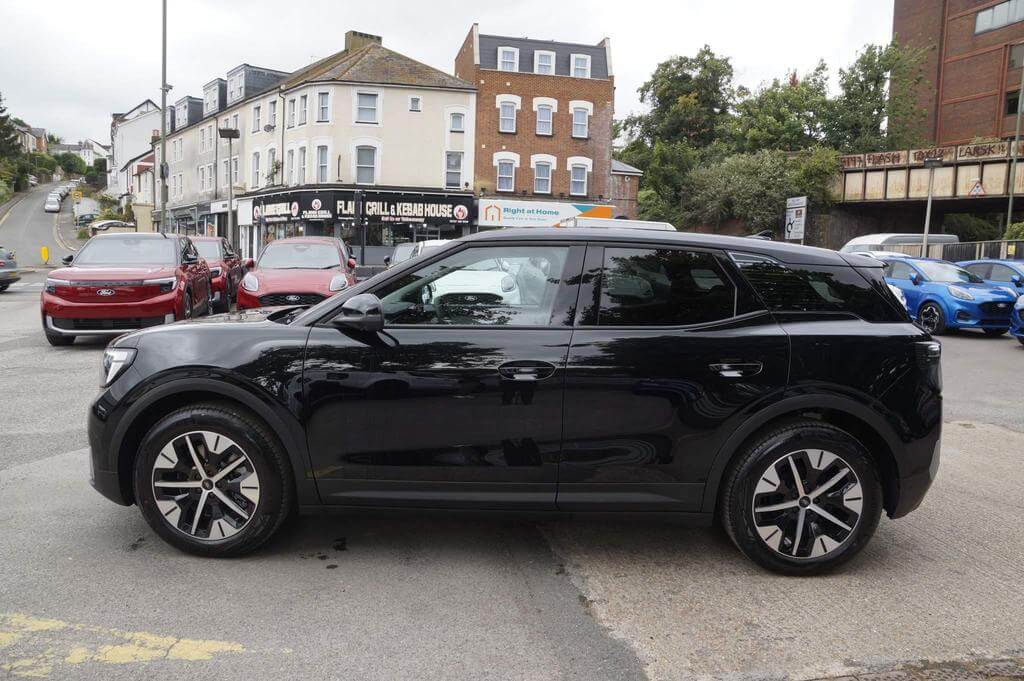
How Fast is Ford Going to Make an EV Explorer?